What is a Watershed?
Water Quality, Flooding, and the Blanchard River

What is a Watershed and Why Does It Matter?
Every person lives in a watershed. In Hancock County and throughout the Blanchard River region, our watershed shapes how water moves, where flooding happens, and how healthy our rivers and streams are. Understanding the Blanchard River watershed helps our community make smarter decisions about water quality, land use, conservation, and long-term environmental health.
What is a Watershed?
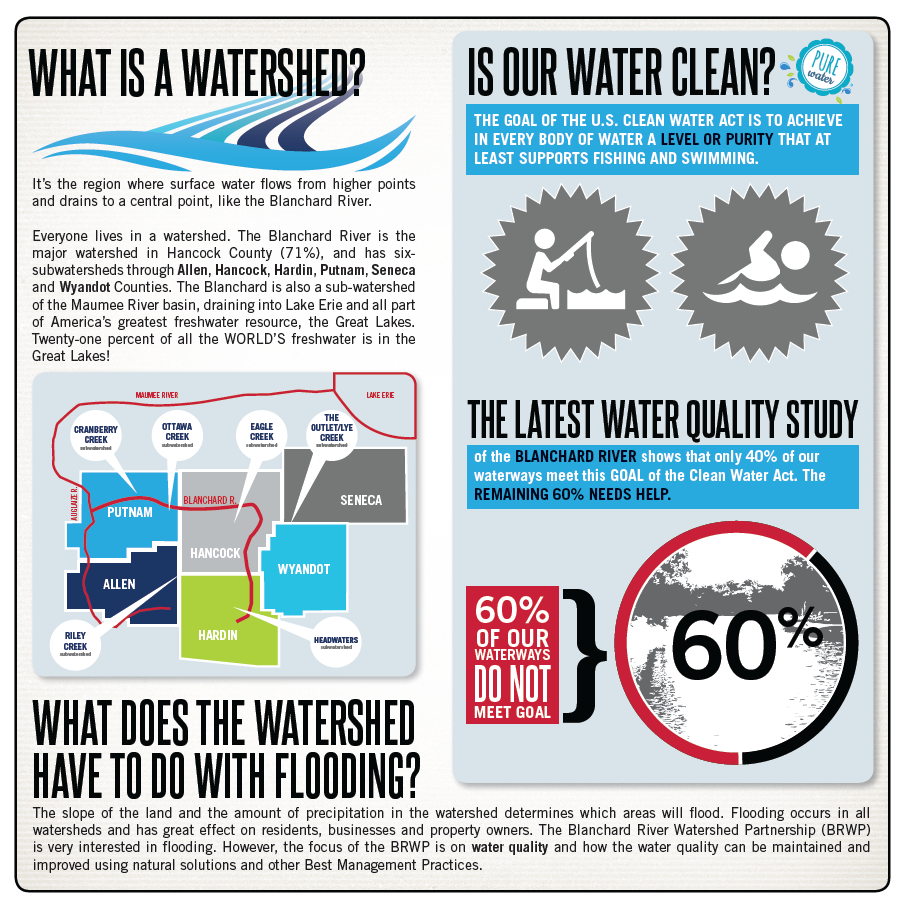
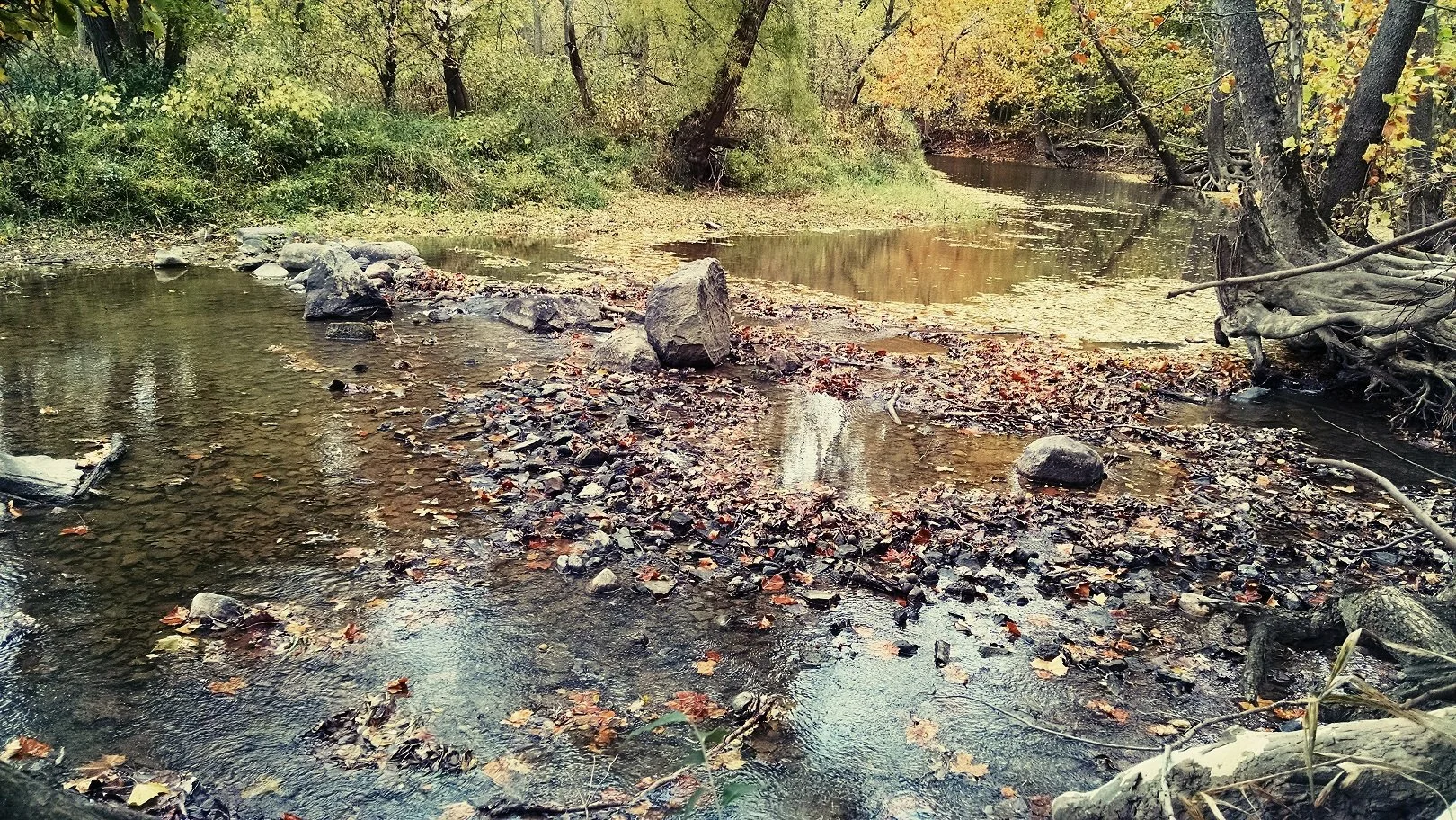
A watershed is an area of land where surface water flows downhill from higher ground and drains to a central point, such as a river, stream, or lake. In this case, that central point is the Blanchard River.
Everyone lives in a watershed. The Blanchard River is the major watershed in Hancock County, covering about 71 percent of the county and including six subwatersheds through Allen, Hancock, Hardin, Putnam, Seneca, and Wyandot counties. The Blanchard River is also part of the larger Maumee River basin, which drains into Lake Erie and connects our region to one of the world’s most important freshwater systems: the Great Lakes.
That means what happens here matters far beyond our own backyard. Land use, runoff, pollution, and conservation practices in our local watershed all affect the health of downstream waters.

Is Our Water Clean?
The goal of the U.S. Clean Water Act is for every body of water to reach a level of purity that supports activities like fishing and swimming.
Current data shows we still have work to do.
The latest water quality study of the Blanchard River shows that only 40 percent of our waterways meet the goals of the Clean Water Act. That means 60 percent of our waterways do not yet meet that standard and need improvement.
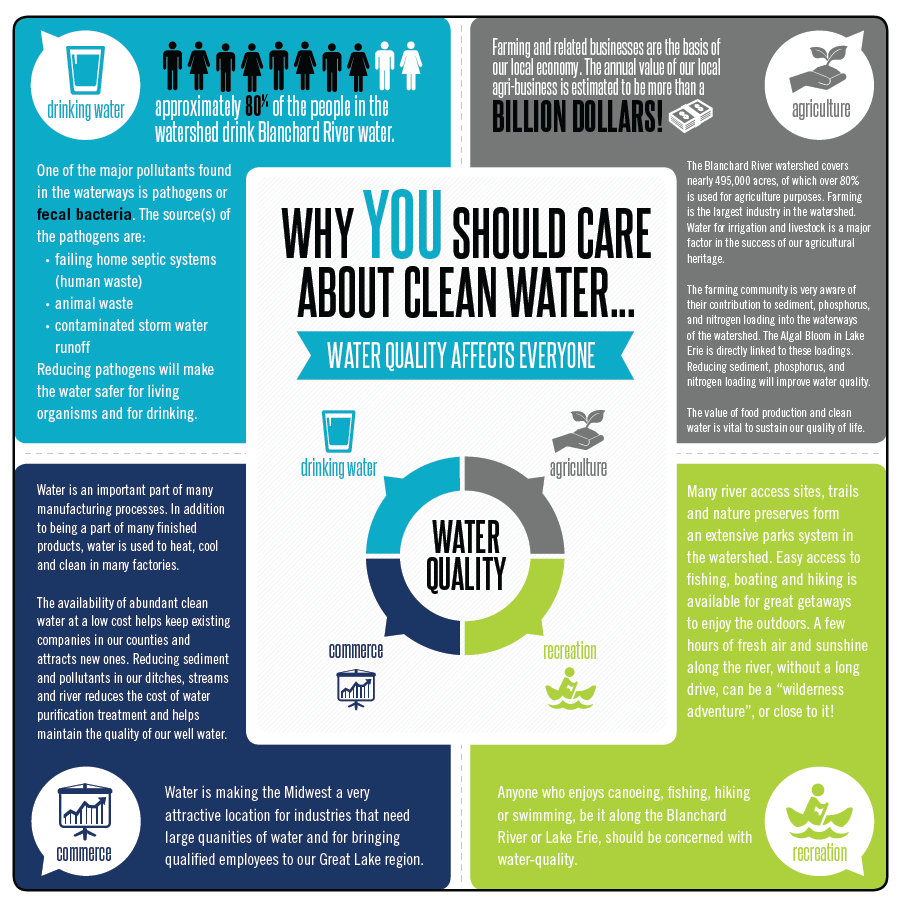
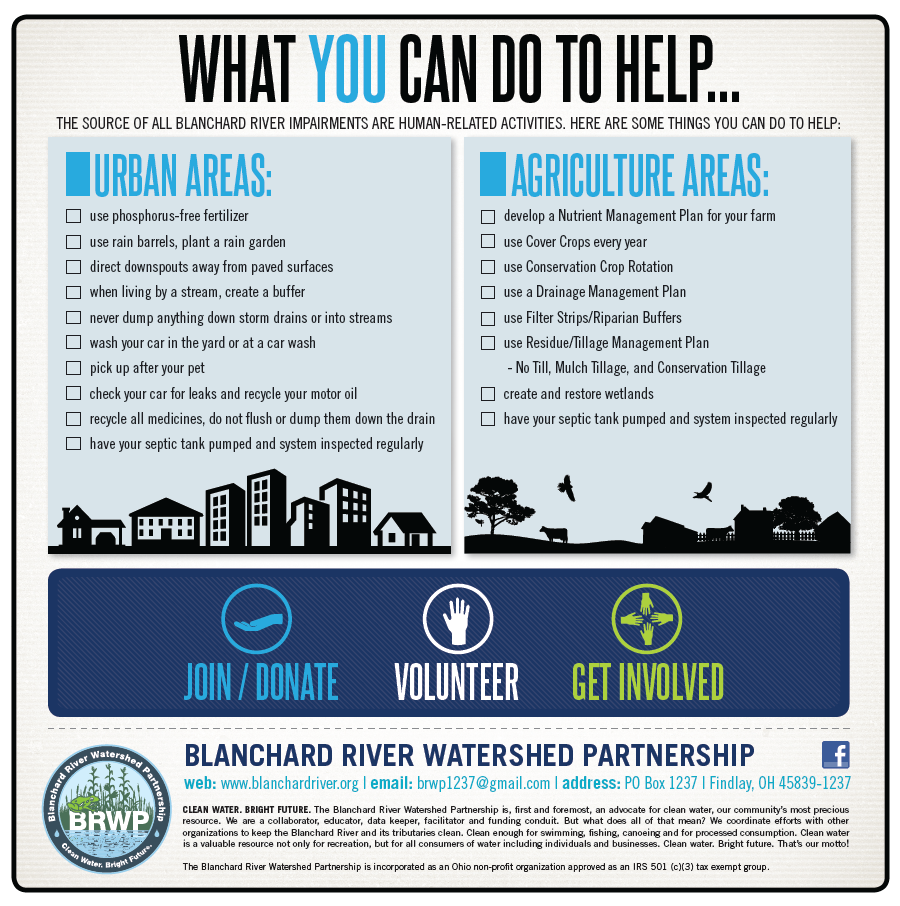
Water quality is affected by many factors, including sediment, nutrients, stormwater runoff, erosion, and other pollutants that enter streams and rivers over time. Improving water quality requires a combination of education, conservation practices, and long-term stewardship across the watershed.

What Does the Watershed Have to Do With Flooding?
The shape of the land, the slope of the terrain, the amount of rainfall, soil conditions, and the way land is developed all help determine how water moves through a watershed. Those same factors also influence where and how flooding occurs.
Flooding can occur in all watersheds and has major effects on residents, businesses, farms, roads, and property owners. In the Blanchard River watershed, flooding is a serious concern for many communities.
The Blanchard River Watershed Partnership is especially focused on water quality and on how natural solutions and best management practices can help protect and improve waterways over time. While no single practice can eliminate flooding, healthier watersheds are better equipped to manage runoff, reduce erosion, and support long-term resilience.

Why This Matters to Our Community
The Blanchard River watershed is not just a map. It is the system that connects our streams, wetlands, communities, farmland, and natural areas.
When water quality improves, the benefits reach everyone:
cleaner rivers and streams
stronger habitat for fish and wildlife
better recreational opportunities
healthier communities
more resilient landscapes
Protecting the watershed is not only an environmental issue. It is a community issue, an economic issue, and a quality-of-life issue.
Download the Infographics
Want a quick visual guide to the Blanchard River watershed, water quality, and flooding? Download and share our infographic. These are perfect for classrooms, community groups, local partners, and anyone who wants a simple explanation of how the watershed works.