Projects & Impact
Downtown Findlay Urban Prairie Project
Bringing native beauty, water quality solutions, and pollinator habitat to the heart of our community.
A New Way Forward for Our River and Our City
What if the solution to water quality, flooding, and habitat loss wasn’t hidden but growing right in the middle of downtown? The Downtown Findlay Urban Prairie Project is transforming underutilized space into a vibrant, living landscape designed to work with nature instead of against it. By reintroducing native grasses and wildflowers, this project creates a powerful, natural system that supports both environmental health and community beauty.
This is more than landscaping. It’s a smarter way to care for our river, our city, and our future.
Why This Matters
Every time it rains, water moves across streets, sidewalks, and lawns carrying pollutants directly into the Blanchard River. Projects like the Urban Prairie help change that. By slowing down and filtering stormwater naturally, native plant systems act as a first line of defense for water quality. They reduce the strain on infrastructure, improve ecosystem health, and support long-term solutions to some of our watershed’s biggest challenges.
This is what real, local impact looks like.
What Is an Urban Prairie?
An urban prairie is a thoughtfully designed green space made up of native plants that once thrived naturally in our region. These landscapes are not only beautiful, they’re incredibly effective.
Urban prairies help:
Absorb and slow stormwater
Reduce polluted runoff entering the Blanchard River
Improve soil health and prevent erosion
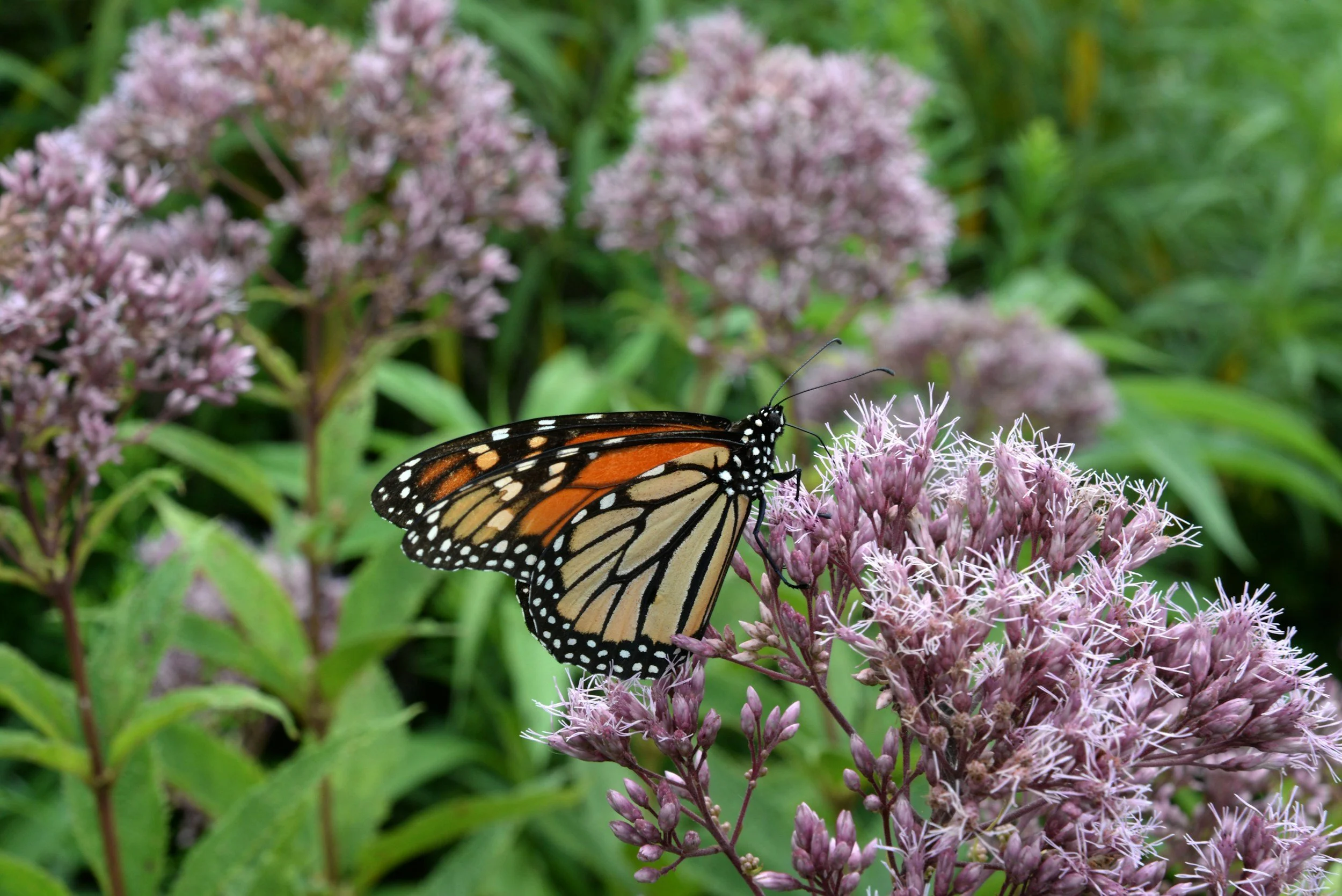
Provide critical habitat for pollinators like bees and butterflies
Reduce long-term maintenance compared to traditional turf grass
Project Highlights
Located in downtown Findlay
Officially approved and moving forward
Designed to improve both environmental and community outcomes
Focused on sustainable, long-term impact
Built through collaboration with local partners and stakeholders
Powered by Partnership
The Urban Prairie Project represents what’s possible when a community comes together around a shared goal.
From local government to environmental organizations to community advocates, this effort reflects a growing commitment to smarter, more sustainable solutions for Findlay and the surrounding watershed.
Be Part of the Impact
Projects like this don’t happen without community support—and they don’t succeed without it either.
You can help bring more projects like this to life:
Together, we can create a healthier river, a stronger community, and a more sustainable future.
Downtown Findlay Urban Prairie Project
Restoring natural water storage, cleaner runoff filtration, and wildlife habitat in the Blanchard River watershed.
Using Nature to Our Advantage
What if one of the best tools for reducing flooding and improving water quality was something nature had already designed? The Restored Floodplain Initiative helps reconnect the river to the land around it, creating space for water to spread out, slow down, and soak in during high flow events. By restoring native vegetation and natural floodplain function, this project supports a healthier river system while also benefiting the people, wildlife, and communities that depend on it.
This is more than restoration. It’s a smarter, more resilient way to care for our watershed.
Why This Matters
Every time it rains, water moves across streets, sidewalks, and lawns carrying pollutants directly into the Blanchard River. Projects like the Urban Prairie help change that. By slowing down and filtering stormwater naturally, native plant systems act as a first line of defense for water quality. They reduce the strain on infrastructure, improve ecosystem health, and support long-term solutions to some of our watershed’s biggest challenges.
This is what real, local impact looks like.
What Is a Restored Floodplain?
A restored floodplain is an area along a river that has been allowed to function more naturally during periods of high water.
Instead of forcing water to move faster downstream, restored floodplains help the landscape do what it was meant to do.
Restored floodplains help:
Slow and store excess water during storms
Reduce flooding impacts downstream
Filter nutrients and sediment from runoff
Improve soil health and reduce erosion
Create habitat for native plants, pollinators, birds, and aquatic life
Project Highlights
Supports natural water storage during high water events
Helps reduce downstream flooding impacts
Improves water quality through natural filtration
Restores native habitat and ecological function
Encourages education and public awareness around watershed health
Why This Matters for the Blanchard River
When water moves too quickly across the landscape, it carries sediment, nutrients, and other pollutants directly into the Blanchard River.
Floodplain restoration helps change that.
By giving water more room to spread out and slow down, these natural areas act like a buffer for the river system. They help capture runoff, reduce erosion, and improve the river’s ability to recover and thrive over time.
This is what long-term watershed protection looks like.
Powered by Partnership
Projects like this reflect the power of collaboration.
Restoring and protecting the watershed takes the work of partners across education, conservation, local government, and the broader community. Together, these efforts create practical, visible solutions that benefit both people and nature.
Be Part of the Impact
Projects like this don’t happen without community support—and they don’t succeed without it either.
You can help bring more projects like this to life:
Together, we can protect water quality, reduce flooding, and create a stronger future for the Blanchard River watershed.
On-Site Education
Interpretive signage, native plant information, and place-based learning opportunities help connect visitors to the purpose behind the project. By showing how floodplains function and why they matter, projects like this turn restoration into something people can see, understand, and carry forward.